
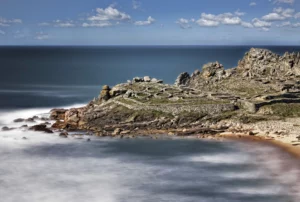
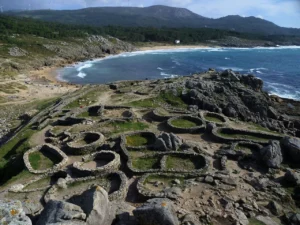
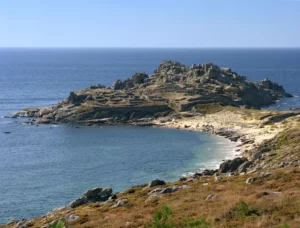
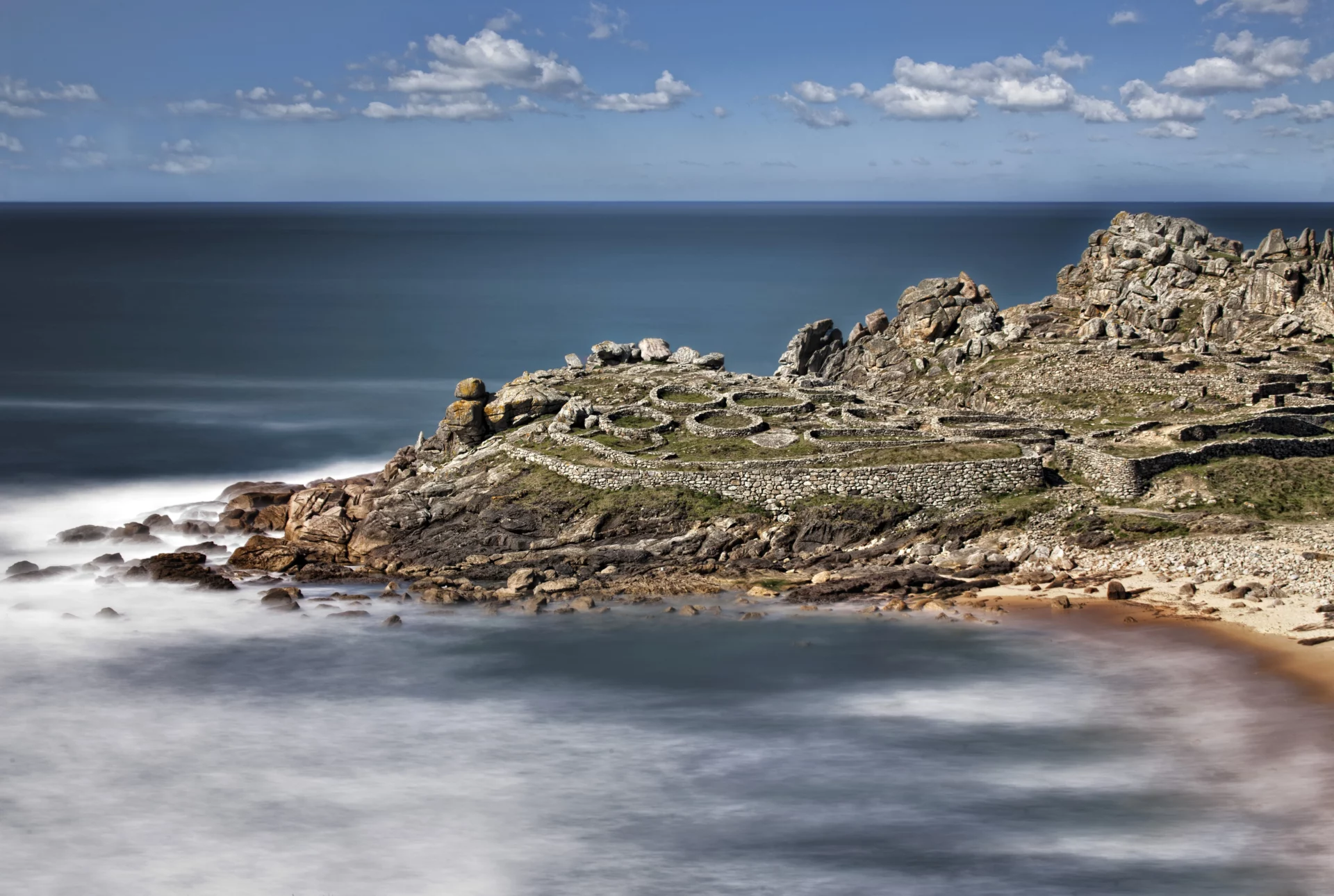
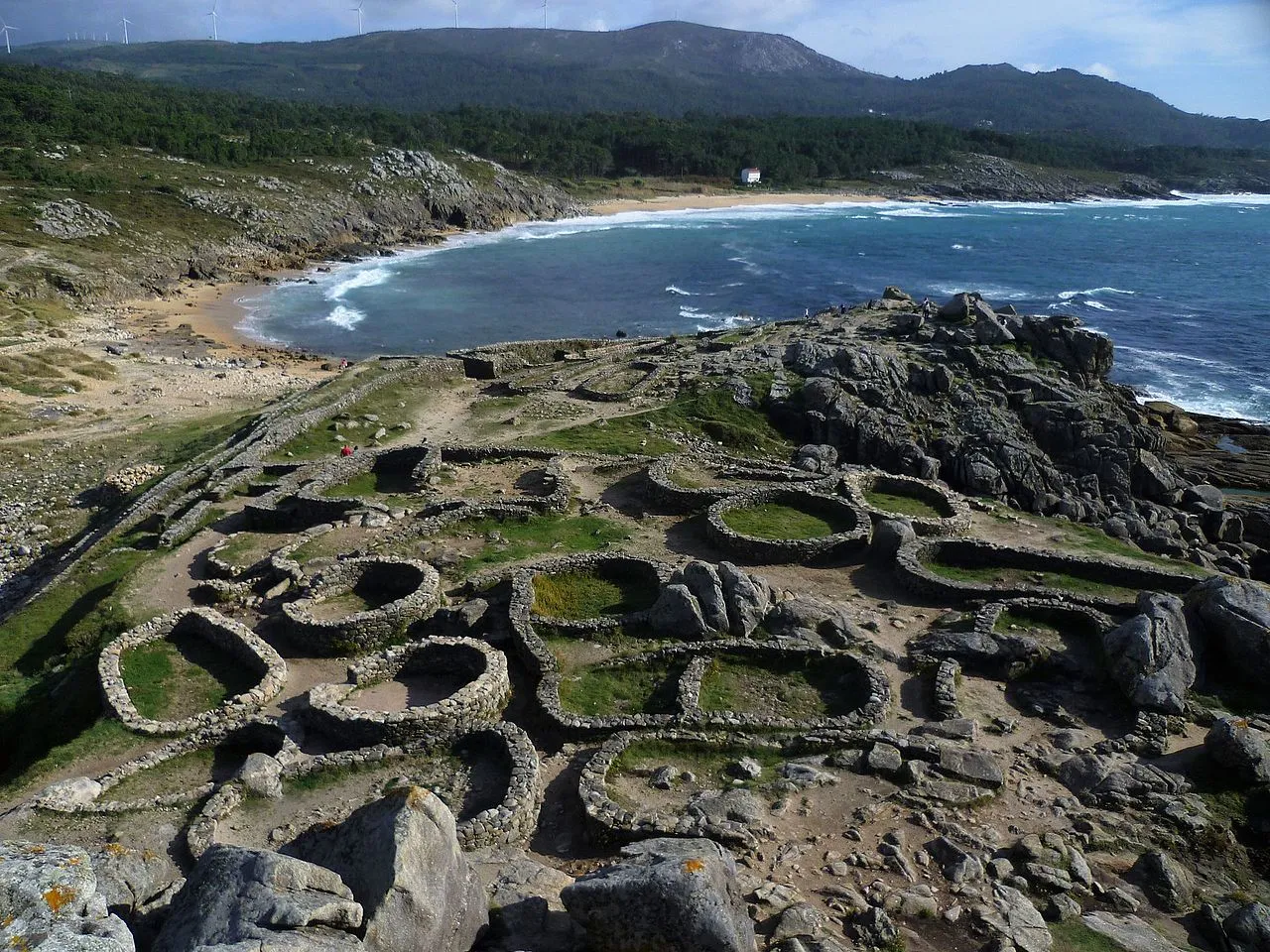
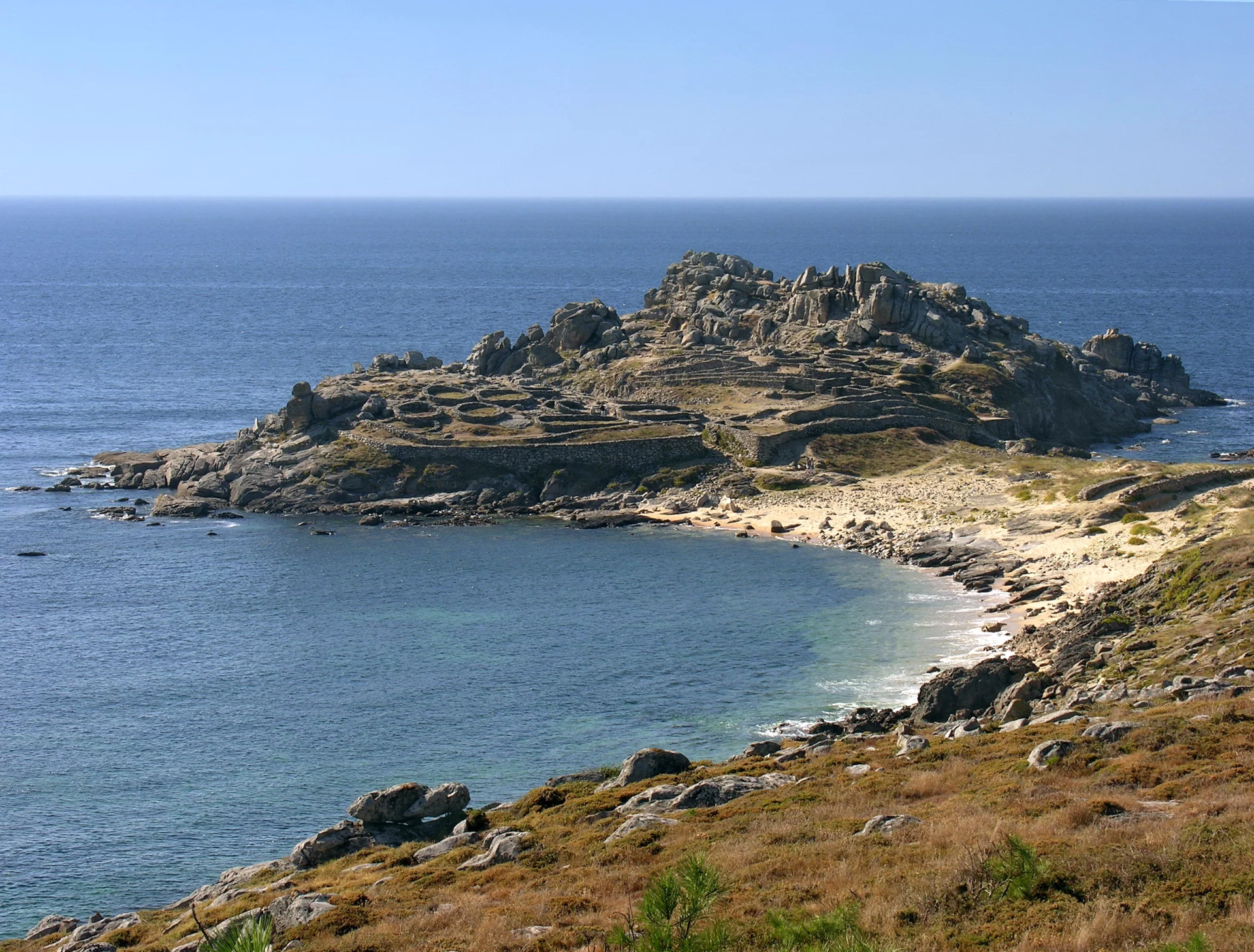
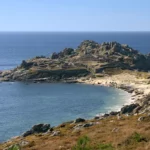
A Celtic castle is an Iron Age fortified town, typical of the Celtic population of the Iberian Peninsula. It consists of one or more circular or semi-circular earthen or stone walls, often with outer moats, which followed the contours of the hill. The position of the castle is linked to the defence of its inhabitants. For this reason, the camps are mainly located on steep, high, fortified sites on isolated mountains with a good view of the surrounding countryside, or in Asturias, on the coast.
Castri of Moreña
Located in strategic with spectacular view, the Castres are fortified village in which the ancient inhabitants took refugee in war times. The Galician Castres also have a magical dimension: begin located in high places, they were belived to facilitate the contact with the sky, the afterlife. When the castres are larger they are known by the name “Oppium”, fortified city. They are generally from pre-roman times, although there are later examples in Europe that have survived until the middle age and date from the Bronze Age and Iron Age. They are common in the Iberian Peninsula, particularly in Galizia with the castreña culture and on the plateu with the cogotas culture. The pre-roman Moraña had a large number of fortified settlements whose privileged position dominated the valley and allowed their inhabitants to protect themselves. One of the oldest might be Monte Castelo, in the parish of Cosoirado, its location is on high ground of great strategic important.
Monte the Praños or “Monte the Mena”, 39km from Santiago de Compostela, owes its name to the existence of an underground cave and a stone called “Pena de Agua” in wich the water was stored throughout the year. It has an important extension, and form a group with the Menhir a Lapa, a mámoa and further on some petroglyphs
In Santa Cuz de Lamas the castro owes its name to the hermitage how stood on the site, located on a spur 465-475 metres on above sea level, from which there is a wide view over the valley of the Agüeira river and its tributaries. Although it has not been excavated, its fortifications built from a succession of several ditches carved into the rock, a wall and a tower are still visible. Due to its topographical layout and its defensive system it is assumed to have been founded during the Iron Age. This Castro instead of the church, has an entrance road, the so-called “Corredoira do Castro”, there are various remains of pottery, tiled and a hand mill.
There are other Castres, in worse state or covered by vegetation, such as the one in the same parish of Santa Cruz de Lamas, in Silvoso, the Castro of Cernadas, small and oscured by vegetation. The growth of vegetation, for some smaller castros, was not the only reason for abandonment, such Castriño, Amir or in Chan, which lost their bases in later colonisations.